
VANISHED: GERMAN-AMERICAN CIVILIAN INTERNMENT, 1941-48 
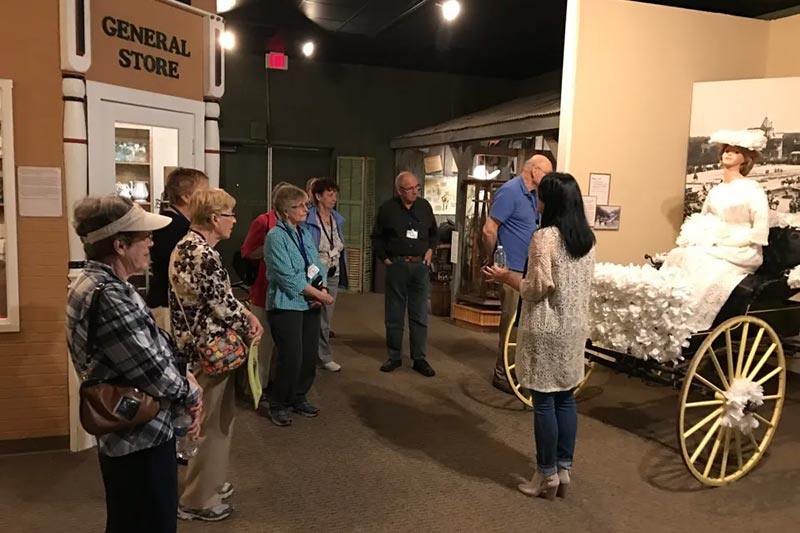
During World War II the U.S. Government interned 15,000 German-American civilians, including citizens and 4,058 Latin-American Germans who were brought here and later exchanged for Nazi-held Americans. Perhaps the least-known chapter of American WWII history, its legacy has implications for today. VANISHED illustrates this compelling story through narrative texts, artifacts and multimedia. January 12-February 9, 2010 The Sophienburg Museum and Archives Museum Hours: Tuesday-Saturday, 10 a.m.-4 p.m. For more information contact the Sophienburg, 830-629-1572 or visit www.TRACES.org. | Sophienburg Museum and Archives hours are 10 a.m.-4 p.m. Tuesday through Saturday. Closed Sunday and Monday. Beginning in March, the Sophienburg Museum presents Bon Voyage, a remarkable exhibit inspired by the travel diary and scrapbook of a local resident who traveled throughout Europe in 1930. More on the Texas Highways site... |
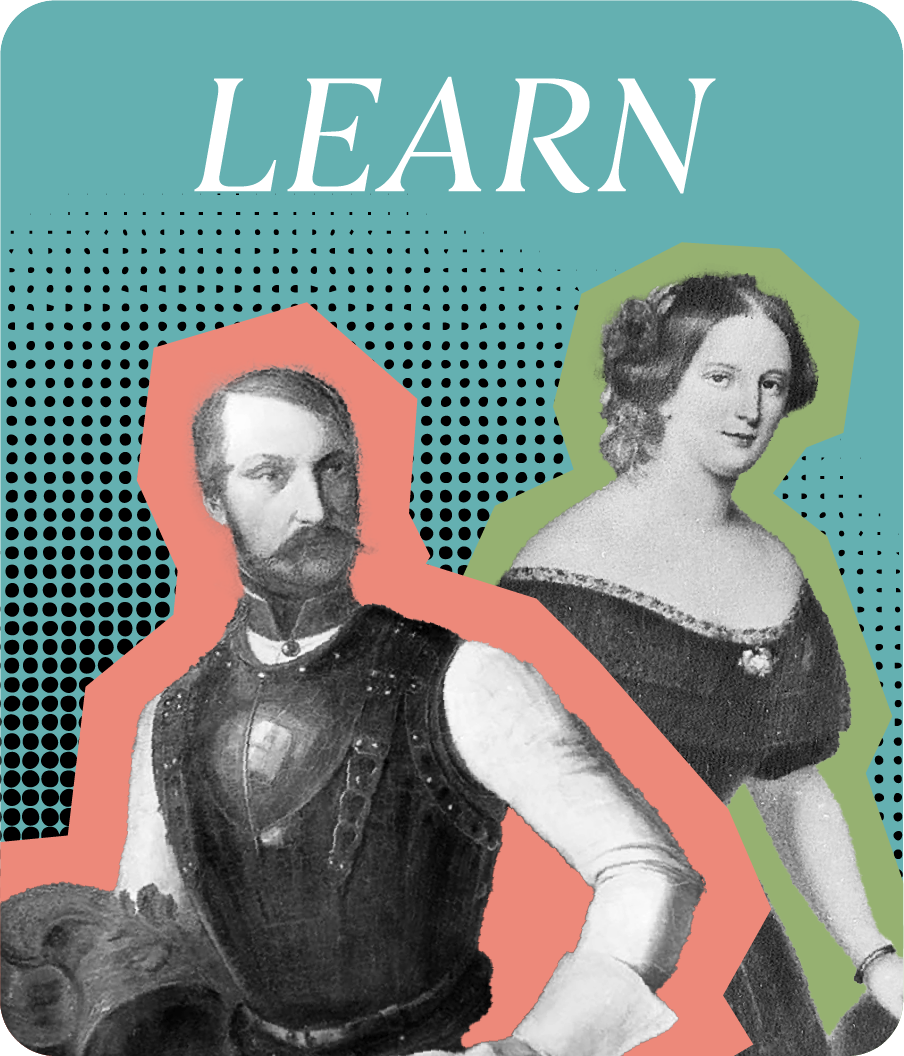
WHAT IS A SOPHIENBURG? In 1845, Prince Carl of Solms-Braunfels and a group of emigrants set out from Germany to find a new home in Texas. The Prince chose a site on the Comal River because of its abundant water, lush vegetation, and "a good omen." There he and his band of pioneers founded New Braunfels. For his personal home, Prince Carl chose a hill overlooking the beginnings of the town and began his plan to build a castle on the site. His home was to be called "Sophienburg", or "Sophie's Castle", for his fiancée, Lady Sophia, Princess of Salm-Salm. However, when he sent for Sophia, she refused to leave Germany. In a move that baffles native Texans to this day, Prince Carl chose his fiancée over Texas and returned to Germany to marry Sophia. He never returned to Texas. Today, the Sophienburg Museum and Archives resides on the hill chosen long ago by Prince Carl.
|